
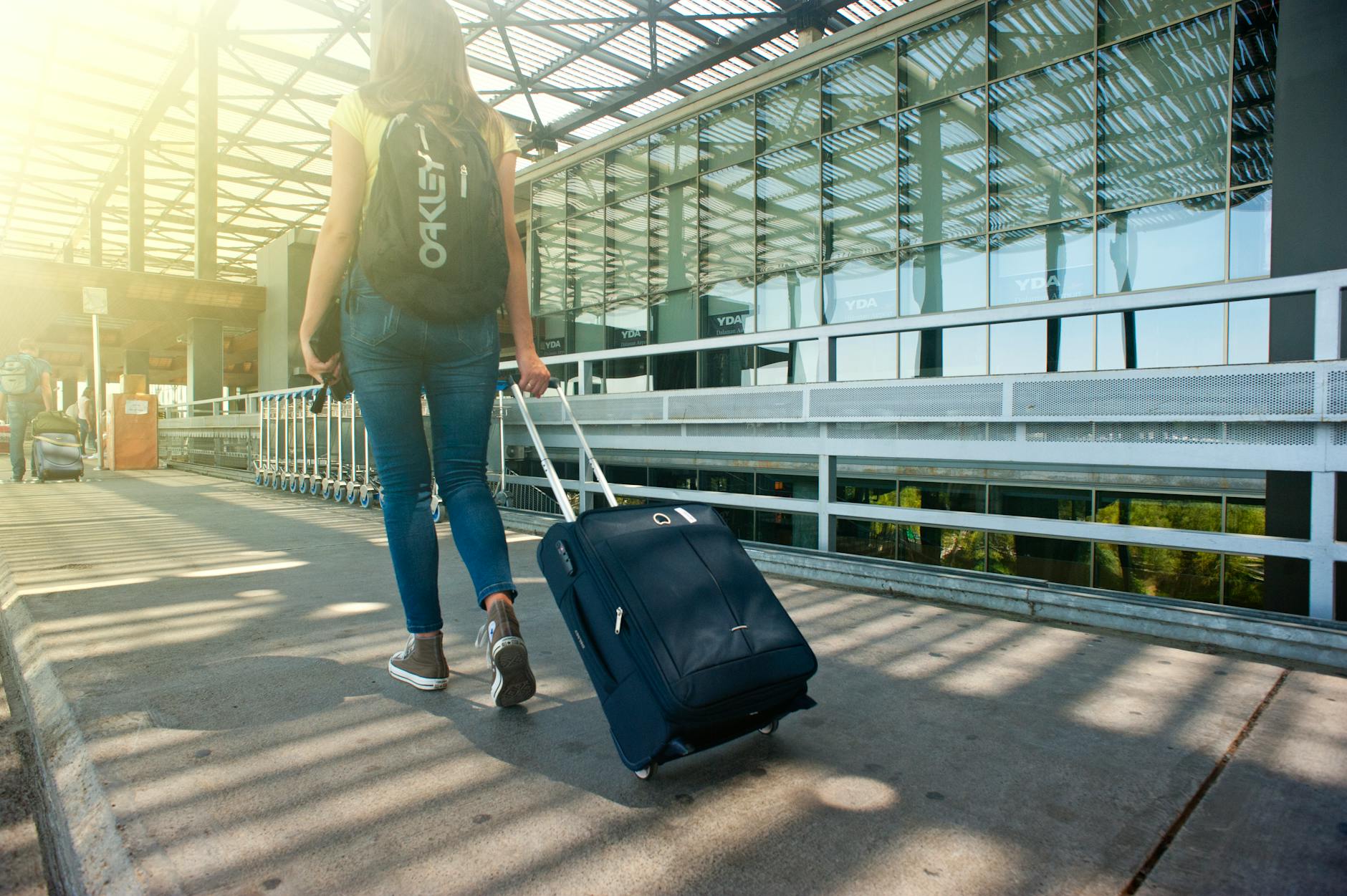
A practical guide for managing narcolepsy while travelling in Europe and beyond.
Travelling Abroad with Narcolepsy: A Practical Guide (From Ireland to Europe and Beyond)
My name is Katie, and I’m the secretary for SOUND (Sufferers of Unique Narcolepsy Disorder). Living with narcolepsy comes with its challenges, but it shouldn’t hold you back from travelling.
With a bit of research and preparation in advance, any trip can be enjoyable and relatively stress-free.
This is a practical guide for anyone travelling abroad on holidays. Take it as a starting point to help with your own planning, and always check in with healthcare professionals or official sources if you need more specific advice.
1. Get Your Medication Sorted
Before you go anywhere, getting your medication organised is key.
Always bring your medication in its original packaging, with your name and prescription details clearly visible. It can save a lot of hassle at airport security or customs.
It’s also a really good idea to get a letter from your GP, consultant, or pharmacist. This should include:
- Your diagnosis (narcolepsy)
- A list of your medications
- Your dosages and how often you take them
It might seem like overkill, but if you’re ever questioned or need medical help abroad, you’ll be glad you have it.
2. Check the Rules Before You Travel
If you’re travelling within Europe, things are usually fairly straightforward—but don’t assume.
Some medications (especially controlled ones) can have restrictions, like:
- Permits
- Limits on how much you can bring
- Extra documentation
If you’re heading outside Europe, this becomes even more important. Every country has its own rules, so take the time to check properly—usually through the embassy or official government websites.
3. Real Example: Planning a Trip to Japan
Travelling further afield can be a different story altogether. I’m currently planning a trip to Japan, and it really highlighted how important it is to start early.
One of my medications, Xyrem, is considered a narcotic-type substance in Japan. Because of that, I needed both an entry and exit permit to bring it with me.
I started by contacting the Japanese narcotics control department by email. Their details are here:
https://www.ncd.mhlw.go.jp/en/application2.html
I sent them a list of all my medications and asked:
- Which ones I could bring with just prescriptions
- Which ones needed permits or extra paperwork
They came back to me with really clear guidance and links to apply for the permits, and were actually very helpful with any questions I had.
From there, I:
- Asked my sleep consultant to write a detailed medical certificate explaining my condition, medications, dosages, and why I need them
- Got my pharmacy to print out copies of all my prescriptions to bring with me
At the time of writing this, I’m still waiting to hear back about my permit application, and I’ll update this once I do.
A few things I’ve learned from this process:
- Start early – don’t leave applications until the last minute
- Keep copies of everything – both printed and on your phone
- Check quantity limits – some countries restrict how much medication you can bring
- Plan for long-haul travel – flights like Ireland to Japan are long, so think about how you’ll manage sleep, medication timing, and fatigue
Honestly, the biggest takeaway is this: do your research and give yourself plenty of time. It’ll save you a lot of stress.
4. Use Airport Supports (Like the Sunflower Lanyard)
Airports can be tough—early starts, queues, noise, and just general chaos.
The Hidden Disabilities Sunflower Lanyard can really help here. It lets airport staff know you might need a bit of extra support, without having to explain yourself over and over again.
It can help with:
- Access to assistance or priority lanes
- A bit more understanding from staff
- Making the whole experience less stressful
You can also book special assistance in advance through your airline or the airport, which is well worth doing if you think you’ll need it.
5. Don’t Overdo It
It’s very easy to try and cram everything into a trip—but with narcolepsy, that can backfire quickly.
Try to:
- Leave space in your schedule
- Build in time to rest
- Be realistic about what you can manage
You don’t have to do everything. You’re better off enjoying a few things properly than exhausting yourself trying to do it all.
6. If You Feel Unwell Abroad
Even with the best planning, there might be times where you feel unwell.
If that happens:
- Stop and rest—don’t try to push through it
- Keep your medication close by
- Get medical help if you need it
If you’re travelling in Europe, make sure you have your European Health Insurance Card (EHIC) with you.
Also handy to know:
- 112 works as an emergency number across most of Europe
- Keep your GP letter and prescriptions easy to access
7. Don’t Be Afraid to Speak Up
Narcolepsy isn’t always well understood, so you might find yourself having to explain it.
You don’t need to go into loads of detail—just a simple explanation can make things easier when dealing with staff, travel companions, or medical professionals.
Final Thoughts
Travelling with narcolepsy might take a bit more planning, but it’s absolutely doable.
Once you’ve things organised and know what works for you, it becomes much more manageable—and a lot more enjoyable.
You might travel a bit differently, and that’s fine. What matters is that you still get to go, see new places, and enjoy the experience in your own way.
If you ever need support or have questions, SOUND are always happy to help—just reach out. We won’t bite!
 SOUND Ireland